
Industry - Industrial Automation
Controls Talent for Complex Production Lines
AI and robotics integration is accelerating demand for controls and automation specialists. We place engineers who can program, integrate, and troubleshoot under production pressure.
Sector overview
Engineering staffing for industrial manufacturing & automation
Greenfield plant builds and brownfield expansions across automotive, food and beverage, consumer goods, and industrial sectors are driving sustained demand for manufacturing and automation engineers. AI and robotics integration is accelerating that demand further, particularly for controls and automation specialists who can bridge legacy equipment with newer digital systems.
The engineering skill set required has broadened. Controls engineers now need multi-platform fluency across Siemens, Rockwell, Honeywell, and ABB systems, plus lean manufacturing and Six Sigma grounding alongside their technical credentials. That combination is hard to find in a single candidate, which is why automation projects often stall waiting for the right blend of skills rather than raw headcount.
Automation engineers who can bridge OT and IT environments are among the most sought-after professionals in the market, as plants connect previously isolated production networks to enterprise systems. Gridline validates platform-specific experience, safety system exposure, and OT/IT integration capability before any candidate is submitted.
Where programs stall
Talent challenges in this sector
Multi-platform PLC/DCS/HMI shortage
Engineers with multi-platform experience across Siemens, Rockwell, Honeywell, and ABB are in critical shortage relative to plant demand.
Lean and Six Sigma credentials expected alongside engineering skill
Plants increasingly require lean manufacturing and Six Sigma expertise on top of technical engineering credentials, narrowing the qualified pool further.
OT/IT bridge talent is scarce
Automation engineers who can bridge OT and IT environments are among the most sought-after professionals in the market, and there are far fewer of them than open roles.
Retrofitting live production lines
Upgrading controls while the line keeps running requires engineers who can plan cutovers around narrow scheduled downtime windows.
Program types
Projects we staff
Line automation retrofits
PLC and controls engineers replace legacy control systems on active lines during scheduled downtime windows over 8 to 14 weeks.
Robotics cell integration
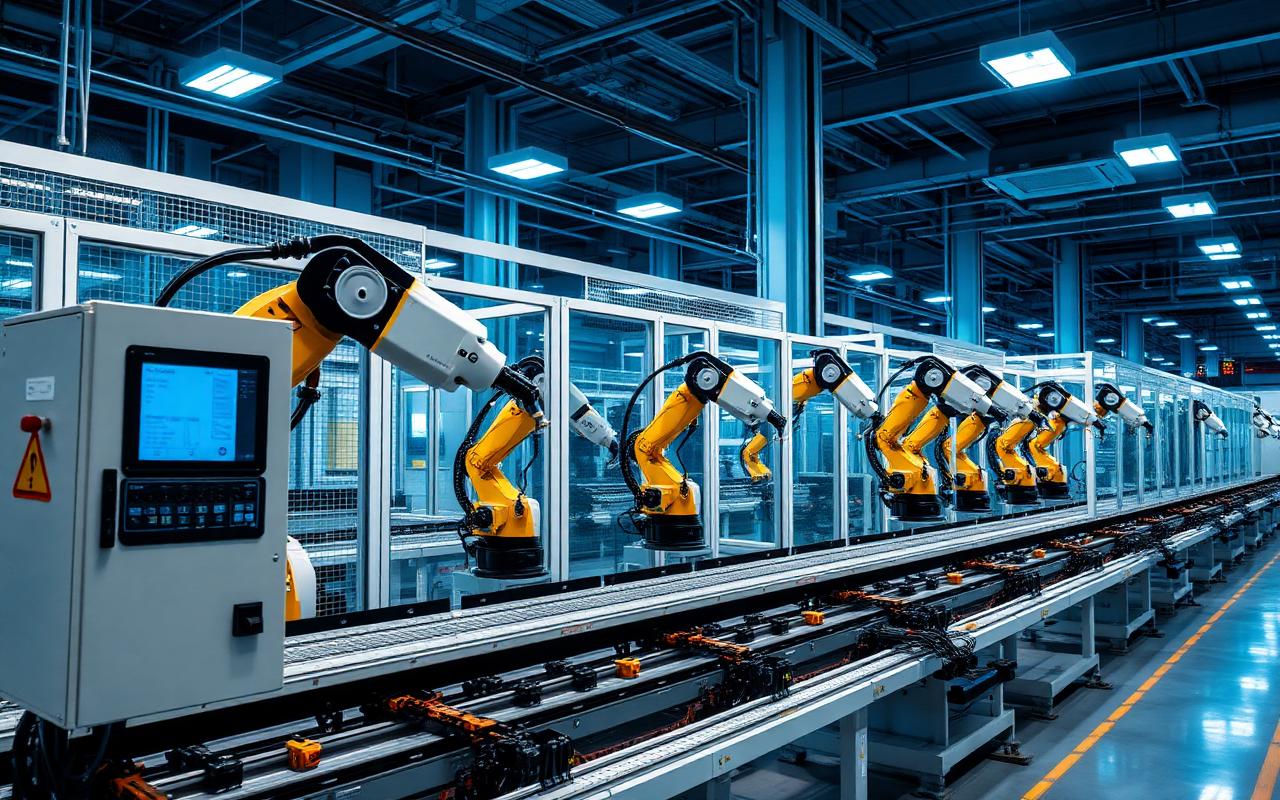
Automation engineers program and commission robotic work cells alongside mechanical integrators over a 6 to 10 week window.
SCADA and MES rollout
SCADA engineers connect plant floor data to manufacturing execution systems in phased rollouts spanning 3 to 6 months per facility.
Ongoing controls maintenance support
Maintenance engineers provide troubleshooting coverage once new systems reach steady-state production.
Disciplines
Roles we place in this sector
Every placement is screened against the discipline requirements of this environment, not a generic technical checklist.
Engagement models
How we deliver in this sector
Contract Staffing
Discipline-qualified engineers deployed to your project phase - not your job description - mobilized within a 10 business day standard.
How this model worksContract-to-Hire
Evaluate before you commit: a structured 3 to 6 month contract with conversion criteria fixed upfront, reducing permanent hiring risk without sacrificing speed.
How this model worksDirect Hire
Source and place permanent engineers who join your payroll directly from day one, screened through the same 14-stage evaluation standard applied to every engagement.
How this model works
Why teams choose us here
Our advantage in industrial manufacturing & automation
Platform-specific vetting
We evaluate candidates against platform-specific criteria - Siemens TIA Portal, Rockwell Studio 5000, Honeywell Experion, ABB 800xA - not general automation background.
Live-line retrofit experience
We prioritize engineers who have cut over controls on running production lines, since that experience does not transfer cleanly from greenfield work.
OT/IT bridge capability validated
We validate lean certifications, safety system experience, and OT/IT integration capability before submission, closing a gap most generalist staffing cannot screen for.
Answers
Frequently asked questions
Question not covered here? Ask a recruiter directly - you will get a straight technical answer, not a callback from a salesperson.
Adjacent sectors
Related industries
Manufacturing
Mechanical, electrical, and maintenance engineers supporting plant expansions, retrofits, and reliability programs.
Read morePower & Grid Modernization
Transmission, substation, and protection engineers supporting grid modernization, renewable interconnection, and generation programs.
Read moreData Centers
Specialized engineers for hyperscale and colocation builds, from switchgear commissioning to SCADA integration.
Read more
Further reading
Resources for this sector
- Hiring Guide
Hiring Controls Engineers for Multi-Platform Plants
How to evaluate PLC and DCS fluency across Siemens, Rockwell, Honeywell, and ABB environments.
7 min read
- Salary Guide
Industrial Automation Salary Benchmarks
Pay ranges for PLC, controls, and automation engineers by region and experience level.
6 min read
- Blog
OT and IT Convergence: What Plant Engineers Need to Know
A practical look at the skills gap emerging as production networks connect to enterprise IT.
5 min read
These briefings are produced by the recruiters covering this sector. Ask us for the current edition or browse the full resource library.
Staff your industrial manufacturing & automation program with engineers who have done it before
Tell us the scope, schedule and site requirements. We will come back with a qualified shortlist and a delivery plan, not a stack of unscreened resumes.