
Industry - Manufacturing
Engineering Bench Strength for the Plant Floor
Reshoring and capacity expansion are outpacing internal engineering headcount at many plants. We supply mechanical, electrical, and maintenance engineers who can support production without slowing it down.
Sector overview
Engineering staffing for manufacturing
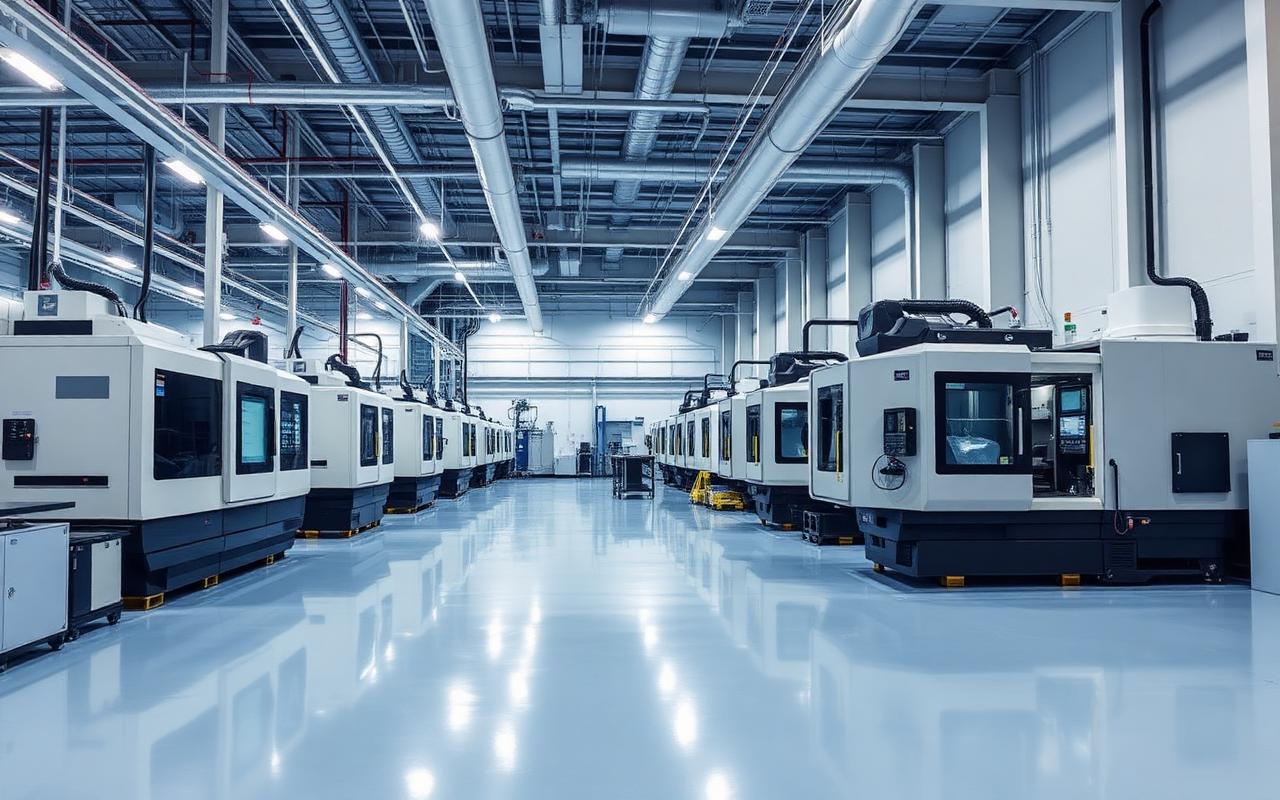
Reshoring and nearshoring have pushed a wave of new plant construction and capacity expansion across sectors from automotive to consumer goods, and internal engineering teams have not scaled at the same pace as the capital investment. Plants that added a new production line or a second shift often find their existing maintenance and reliability engineering staff already stretched thin.
Reliability-centered maintenance programs have become a priority as plants try to reduce unplanned downtime, which has increased demand for maintenance engineers who can build predictive maintenance programs rather than just respond to breakdowns. That shift requires a different skill set than traditional reactive maintenance roles, blending mechanical troubleshooting with data analysis.
Plant expansions also generate a steady need for mechanical and electrical engineers to support equipment installation and startup, work that is time-boxed and technically demanding but does not always justify a permanent headcount addition. That pattern has made flexible engineering support a standard part of how plants plan capacity growth.
Where programs stall
Talent challenges in this sector
Engineering headcount lagging capacity growth
Plants adding lines or shifts often outpace their internal engineering team, leaving startup and reliability work under-resourced.
Shift from reactive to predictive maintenance
Maintenance engineers with reliability-centered maintenance experience and vibration or thermal analysis skills are harder to find than traditional break-fix technicians.
Equipment startup expertise gaps
New production lines require engineers experienced in equipment commissioning and startup troubleshooting, a narrower skill set than day-to-day plant operations.
Competition from adjacent industries
Mechanical and electrical engineers with plant experience are also targeted by construction and industrial automation employers, tightening the available pool.
Program types
Projects we staff
New line installation and startup
Mechanical and electrical engineers support equipment installation and startup troubleshooting over a 6 to 12 week window.
Reliability-centered maintenance program buildout
Maintenance engineers establish predictive maintenance schedules and failure analysis processes over a 3 to 6 month rollout.
Plant retrofit and equipment upgrade
Project engineers manage equipment swaps and layout changes during scheduled downtime windows of 2 to 8 weeks.
Ongoing plant floor engineering support
Industrial electricians and field engineers provide standing coverage for troubleshooting and continuous improvement work.
Disciplines
Roles we place in this sector
Every placement is screened against the discipline requirements of this environment, not a generic technical checklist.
Engagement models
How we deliver in this sector
Contract Staffing
Discipline-qualified engineers deployed to your project phase - not your job description - mobilized within a 10 business day standard.
How this model worksContract-to-Hire
Evaluate before you commit: a structured 3 to 6 month contract with conversion criteria fixed upfront, reducing permanent hiring risk without sacrificing speed.
How this model worksDirect Hire
Source and place permanent engineers who join your payroll directly from day one, screened through the same 14-stage evaluation standard applied to every engagement.
How this model works
Why teams choose us here
Our advantage in manufacturing
Startup and commissioning fluency
We source mechanical and electrical engineers with direct new-line startup experience, not just steady-state plant operations background.
Reliability-focused maintenance talent
Our maintenance engineer candidates are screened for predictive maintenance experience, including vibration and thermal analysis, not only break-fix work.
Speed to fill during capacity ramps
We keep a bench ready for plants adding lines or shifts faster than their internal hiring process can keep up with.
Answers
Frequently asked questions
Question not covered here? Ask a recruiter directly - you will get a straight technical answer, not a callback from a salesperson.
Adjacent sectors
Related industries
Manufacturing & Automation
PLC, DCS, HMI, and robotics engineers for plants automating production lines and integrating new control systems.
Read moreConstruction
Construction managers, MEP engineers, and project controls staff for complex commercial and industrial builds.
Read moreEnergy
Electrical, instrumentation, and project engineers supporting solar, storage, and emerging generation projects.
Read more
Further reading
Resources for this sector
- Hiring Guide
How to Hire Maintenance Engineers for Predictive Programs
What to evaluate when moving from reactive to reliability-centered maintenance staffing.
7 min read
- Salary Guide
Manufacturing Engineering Salary Guide
Compensation data for mechanical, electrical, and maintenance engineers in plant environments.
6 min read
- Market Insights
Reshoring and the Plant Engineering Talent Gap
How capacity expansion is outpacing internal engineering hiring at U.S. plants.
8 min read
These briefings are produced by the recruiters covering this sector. Ask us for the current edition or browse the full resource library.
Staff your manufacturing program with engineers who have done it before
Tell us the scope, schedule and site requirements. We will come back with a qualified shortlist and a delivery plan, not a stack of unscreened resumes.